
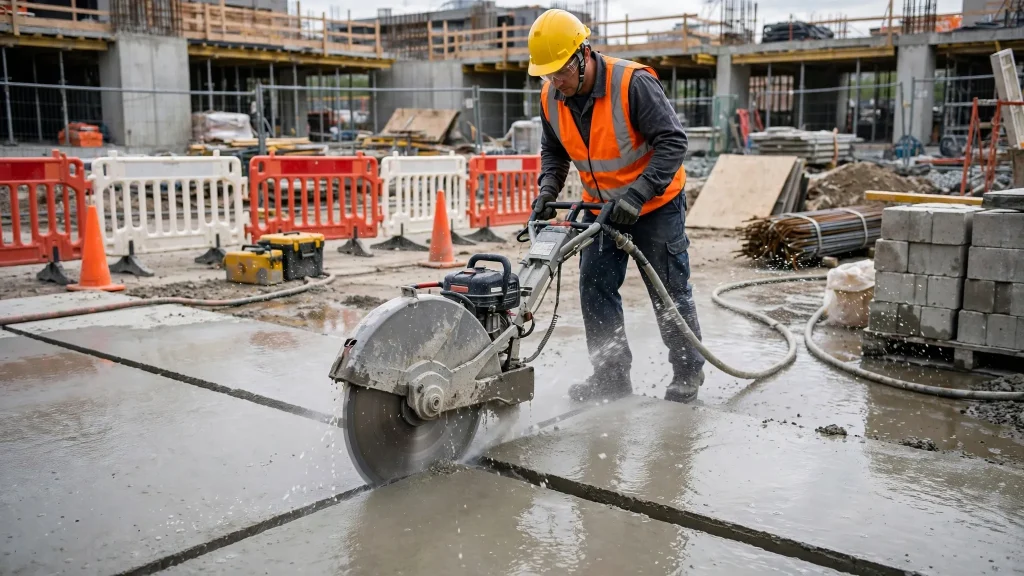
Construction projects demand precision, speed, and strict safety standards. Concrete Cutting plays a critical role in achieving these goals by allowing workers to modify concrete structures without causing unnecessary damage. From residential renovations to large commercial developments, modern cutting methods help teams complete tasks faster while reducing risks on-site.
As construction technology continues to advance, Concrete Cutting has become a specialized service supported by powerful equipment and trained professionals. Contractors rely on accurate cutting techniques to install utilities, create openings, and remove damaged sections with minimal disruption. Understanding its benefits helps project owners make informed decisions that improve productivity, worker safety, and project quality.
What Is Concrete Cutting?
Understanding the Process
Concrete Cutting is the process of removing or modifying concrete using specialized equipment fitted with diamond blades or wire systems. These tools produce clean, accurate cuts while minimizing vibration and structural stress. Professionals use cutting techniques for walls, floors, bridges, pavements, and reinforced concrete structures.
Modern cutting equipment handles various materials, including reinforced concrete, asphalt, masonry, and stone. Advanced machines use water suppression systems to reduce airborne dust, helping crews comply with workplace safety regulations. This controlled approach creates cleaner work areas and supports better environmental practices throughout construction projects.
Common Concrete Cutting Methods
The most widely used cutting techniques include:
- Wall sawing for vertical structures.
- Flat sawing for floors and pavements.
- Core drilling for utility openings.
- Wire sawing for large structural sections.
- Hand sawing for tight or confined spaces.
Each method serves a specific purpose based on project requirements, concrete thickness, and accessibility.
How Concrete Cutting Improves Construction Safety
Reducing Structural Damage
Safety begins with precision. Concrete Cutting removes only the required material while protecting surrounding structures. Traditional demolition methods often create uncontrolled cracking, excessive vibration, and accidental damage to nearby components.
Diamond cutting technology significantly reduces impact forces. Lower vibration protects adjacent walls, foundations, and embedded utilities. Engineers prefer precision cutting because it maintains structural integrity throughout renovation and expansion projects.
Creating a Safer Work Environment
Professional cutting methods improve overall site safety by reducing common hazards.
Key safety benefits include:
- Lower dust through water suppression systems.
- Reduced flying debris compared with jackhammer demolition.
- Less worker exposure to excessive vibration.
- Better visibility around work zones.
- Controlled removal of concrete sections.
According to occupational safety professionals, minimizing silica dust exposure helps reduce long-term respiratory health risks. Modern wet-cutting systems support compliance with workplace safety standards while improving working conditions.
Improving Project Efficiency Through Concrete Cutting
Faster Project Completion
Construction schedules depend on predictable workflows. Concrete Cutting allows contractors to complete structural modifications quickly without delaying surrounding trades. Accurate cuts eliminate unnecessary repair work and reduce cleanup time.
Modern hydraulic and electric saws deliver consistent performance across different project sizes. Skilled operators complete precise openings within hours instead of days, allowing electricians, plumbers, and HVAC installers to begin work sooner.
Minimizing Material Waste
Precision directly affects project costs. Accurate cutting preserves surrounding concrete and reduces waste sent to disposal facilities. Contractors remove only damaged or unwanted sections instead of replacing entire slabs or walls.
Lower waste also supports sustainable construction practices. Efficient material removal reduces transportation costs, landfill usage, and replacement material expenses. These savings become significant on large commercial and infrastructure projects.
Equipment Used in Modern Concrete Cutting
Different projects require specialized machinery designed for specific applications.
| Equipment | Primary Application | Key Benefit |
|---|---|---|
| Wall saw | Vertical concrete surfaces | High precision |
| Flat saw | Floors and pavements | Fast cutting speed |
| Core drill | Circular openings | Clean utility access |
| Wire saw | Thick reinforced concrete | Handles large structures |
| Hand saw | Small or confined spaces | Excellent maneuverability |
Professional operators select equipment based on concrete thickness, reinforcement density, and project accessibility. Proper equipment selection improves efficiency while maintaining safety standards.
Why Skilled Professionals Matter
Experience Delivers Better Results
Successful Concrete Cutting requires technical knowledge beyond operating machinery. Experienced contractors understand structural engineering principles, reinforcement layouts, load-bearing considerations, and safety regulations before beginning work.
Professional crews inspect project conditions before selecting cutting methods. They evaluate concrete strength, embedded utilities, reinforcement patterns, and surrounding structures. This planning reduces unexpected complications and helps projects remain on schedule.
Technology Supports Precision
Modern construction companies increasingly use digital layout systems, laser guidance, and advanced scanning equipment before cutting concrete. These technologies improve accuracy and reduce the risk of striking hidden utilities.
Industry experts emphasize that combining skilled operators with advanced equipment produces consistently better outcomes. Precise planning and execution improve productivity while reducing costly errors throughout construction projects.
Key Benefits of Concrete Cutting
The advantages extend across every stage of construction.
- Improves worker safety through controlled cutting methods.
- Protects surrounding concrete and structural components.
- Accelerates construction schedules.
- Reduces labor costs and repair expenses.
- Minimizes dust, debris, and environmental impact.
- Supports accurate installation of building services.
- Delivers clean, professional project finishes.
These benefits explain why precision cutting has become a standard practice across residential, commercial, industrial, and infrastructure construction projects. Explore our latest insights in Why Wire Sawing Is the Preferred Method for Thick Concrete Structures?
Conclusion
Concrete Cutting improves both safety and efficiency by combining precision, modern technology, and skilled workmanship. Accurate cutting methods reduce structural damage, improve productivity, and create safer working environments. As construction projects become increasingly complex, professional concrete cutting remains an essential solution for delivering high-quality results on time and within budget.